


MYCVBLOG
How to Write a Professional CV With No Work Experience: A Complete Guide
No work experience? Learn how to write a professional CV that highlights your education, skills, projects and potential, with practical examples and expert tips to land your first job.
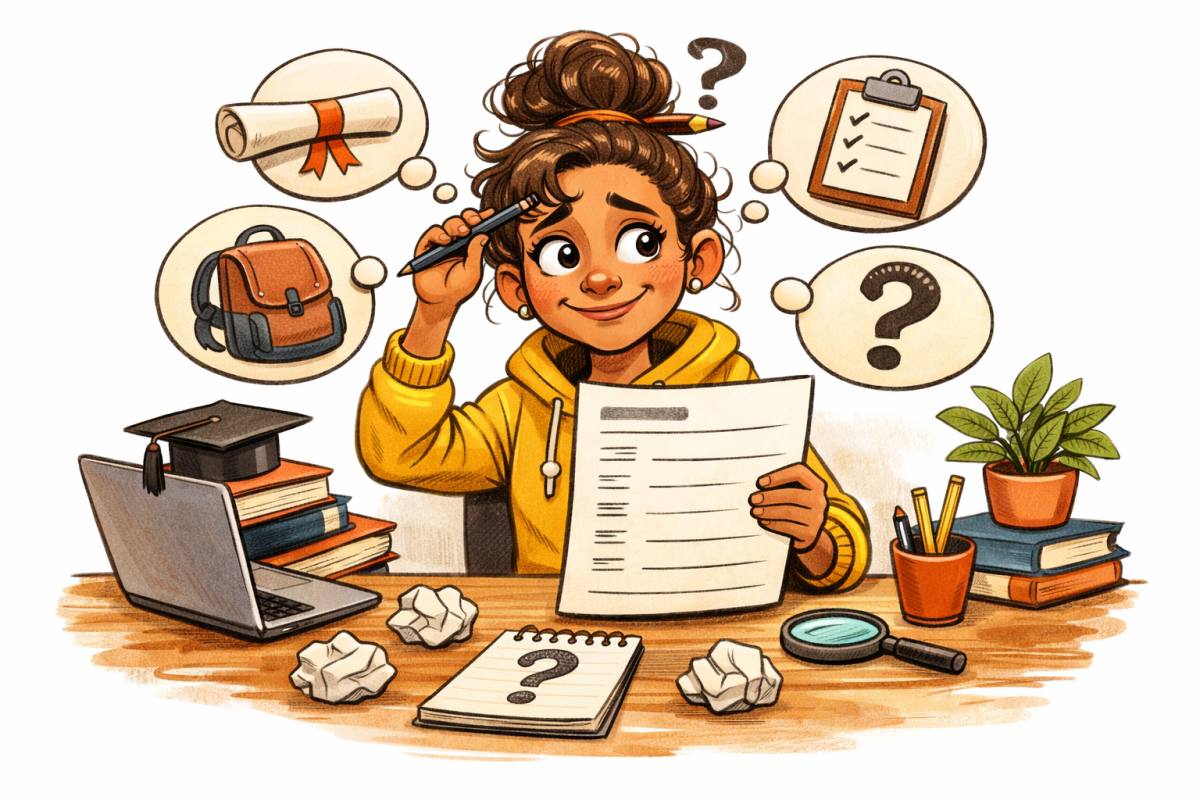
Writing your first CV can feel like a paradox: employers want experience, but you need a job to get experience. The good news is that recruiters hiring for entry-level roles don’t expect a long employment history. What they look for is potential: evidence that you can learn quickly, communicate clearly and take responsibility. This guide shows you, step by step, how to build a professional CV that highlights exactly that.
1. Choose the right CV format
When you have no work history, a skills-based or combination format works best. Instead of opening with a job timeline, these formats lead with your skills, education and projects. A clear structure for a first CV is:
- Contact details
- Professional summary
- Education
- Key skills
- Projects, volunteering and activities
- Certifications and languages
Keep it to one page. A focused, well-organised page makes a stronger impression than two pages of filler.
2. Write a strong professional summary
Your summary is a two- to three-sentence pitch at the top of your CV. Focus on what you offer and what you are aiming for, not on what you lack.
Weak: “Recent graduate with no experience looking for any job.”
Strong: “Business administration graduate with strong analytical and communication skills, developed through university projects and volunteer event coordination. Proficient in Excel and data visualisation, and eager to contribute to a marketing team.”
3. Put your education front and centre
Without job experience, your education is your main asset. Go beyond the name of your degree and add details that show what you can do:
- Relevant courses linked to the role you want
- Your thesis or final-year project and its outcome
- Academic achievements, honours or scholarships
- Your grade or GPA, if it is strong
4. Highlight transferable skills
Transferable skills are abilities you have built in any context that also apply at work: communication, teamwork, problem-solving, time management, leadership and digital literacy. Don’t just list them; prove them. For example: “Led a five-person team on a semester-long research project and delivered the final report one week ahead of the deadline.”
Separate hard skills (software, languages, technical tools) from soft skills so recruiters can scan them quickly.
5. Showcase projects, volunteering and activities
Experience doesn’t have to be paid to count. Present these activities like jobs: give each one a title, organisation, dates and two or three achievement-focused bullet points.
- Academic or personal projects: a website you built, a business plan, a research study
- Volunteering: community work, NGOs, charity events
- Student organisations: clubs, associations, student councils
- Freelance or informal work: tutoring, managing social media for a local shop, helping in a family business
Use action verbs and numbers wherever possible. Compare “Helped with social media” with “Created and scheduled 30 Instagram posts for a local café, growing its followers by 40% in three months.”
6. Add certifications and online courses
Short certifications show initiative and strengthen your profile. Courses in areas such as digital marketing, data analysis, project management or programming are widely recognised by employers. List your languages with a clear level, for example using the CEFR scale (B2, C1).
7. Tailor your CV for every application
Read each job description carefully and reflect its key terms in your CV. Many companies use Applicant Tracking Systems (ATS) that scan for relevant keywords. If an ad asks for “customer service” and “teamwork”, make sure those phrases appear naturally in your skills and project descriptions.
8. Keep the design clean and professional
- Use a simple, readable font and consistent formatting
- Leave enough white space between sections
- Use a professional email address
- Send your CV as a PDF unless asked otherwise
- Proofread carefully: a single typo can cost you an interview
Common mistakes to avoid
- Apologising for your lack of experience
- Listing generic skills without evidence
- Including irrelevant personal details
- Exaggerating or inventing experience
- Sending the same CV to every employer
Conclusion
A CV with no work experience is not a weak CV; it simply tells a different story. By leading with your education, proving your transferable skills and presenting projects and volunteering as real experience, you show employers what matters most at the start of a career: your potential. Tailor it to each role, keep it clean and honest, and you will be ready to land your first interview.